Partners for Dignity and Rights employs the strategies above across the following areas of work:
All of us as individuals, communities and a society should have fundamental rights to education, health care, housing, work with dignity and the other foundations of a decent life. But right now, all too many of us are denied those …
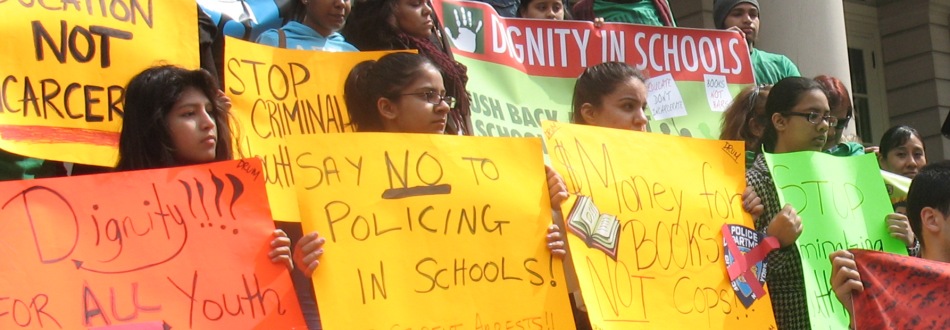
Partners for Dignity & Rights works with youth, parents, educators and advocates to transform our public school systems to end school pushout and create learning environments that protect the human right to dignity and support the full academic, social and …
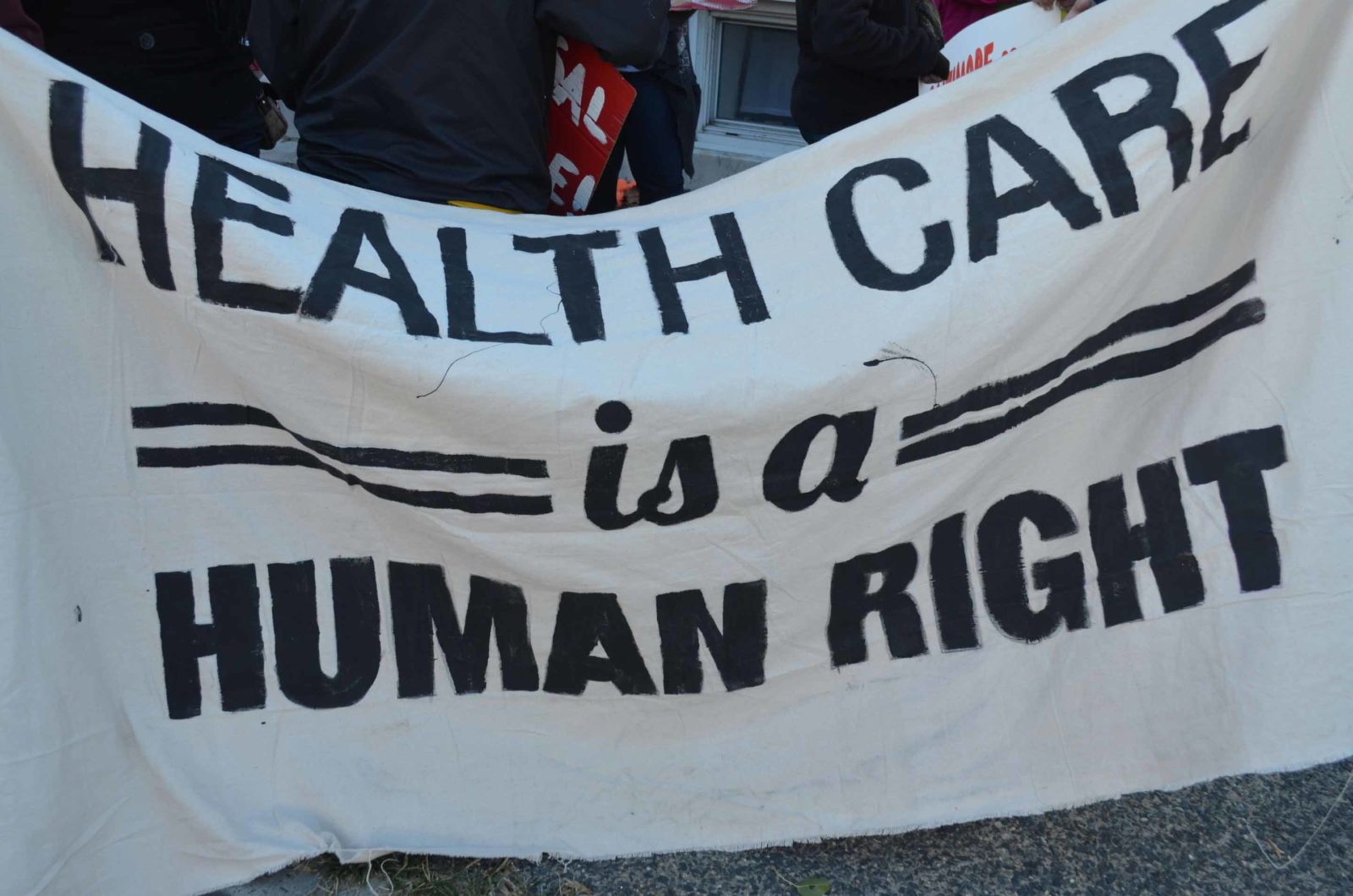
Partners for Dignity and Rights supports the growing people’s movement for the human right to health care, which is building momentum for a universal health care system that is equitably financed and provides health care as a public good, not a commodity.
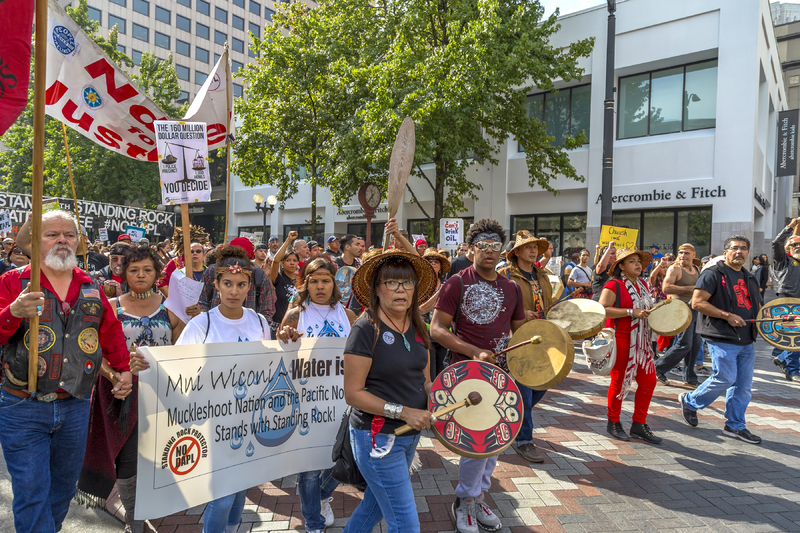
Public budgets are moral documents that determine how we allocate our shared resources to meet our collective needs. The way our governments raise and spend public money reflects who and what we value and determines whether or not our institutions …
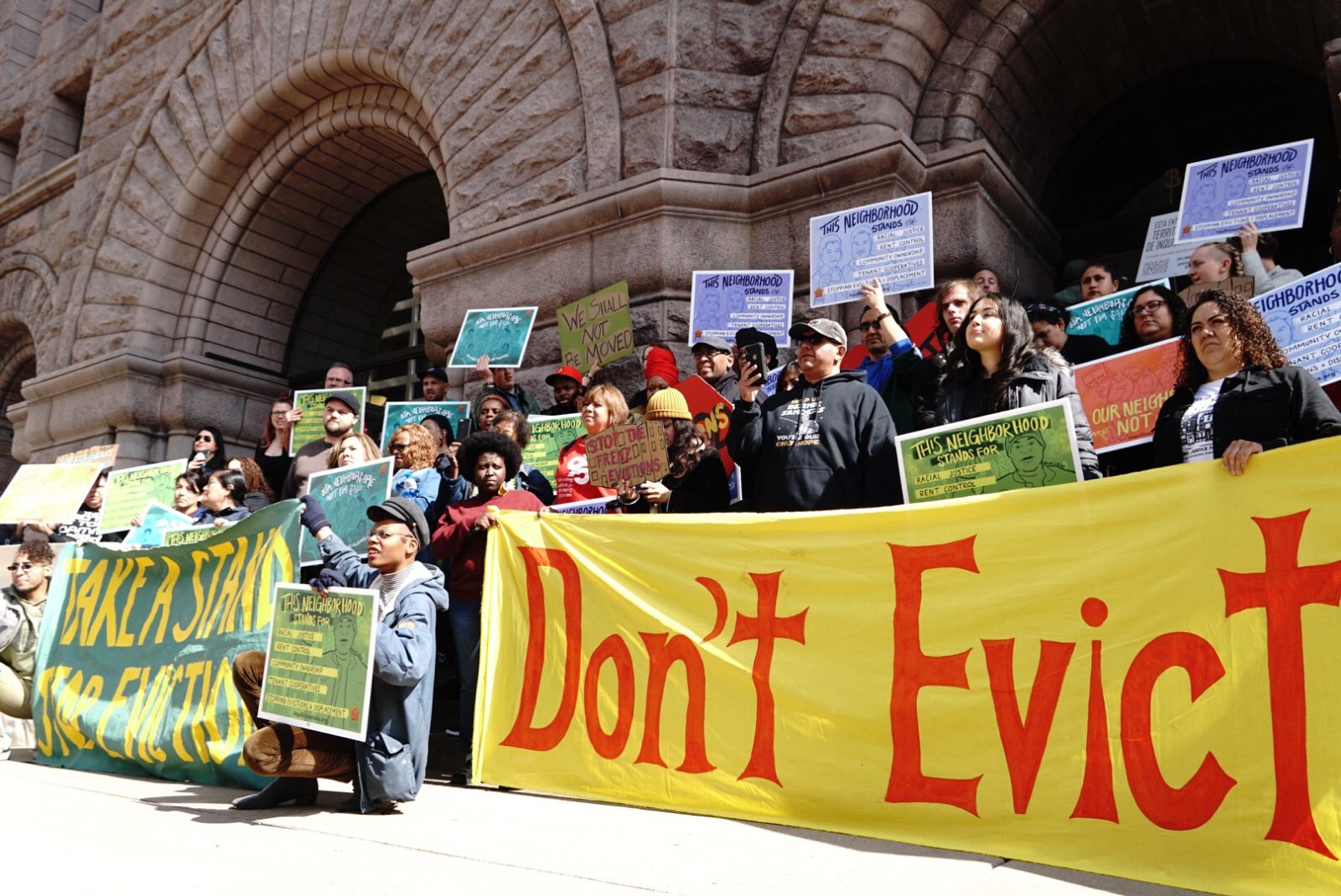
Partners for Dignity & Rights collaborates with community organizations and advocates for the right to participatory development that seeks affordable, secure and quality housing, jobs with dignity, healthy and sustainable communities. We work to advance models that ensure community control …
![WSR[1]](https://dignityandrights.org/wp-content/uploads/2019/11/WSR1.jpeg)
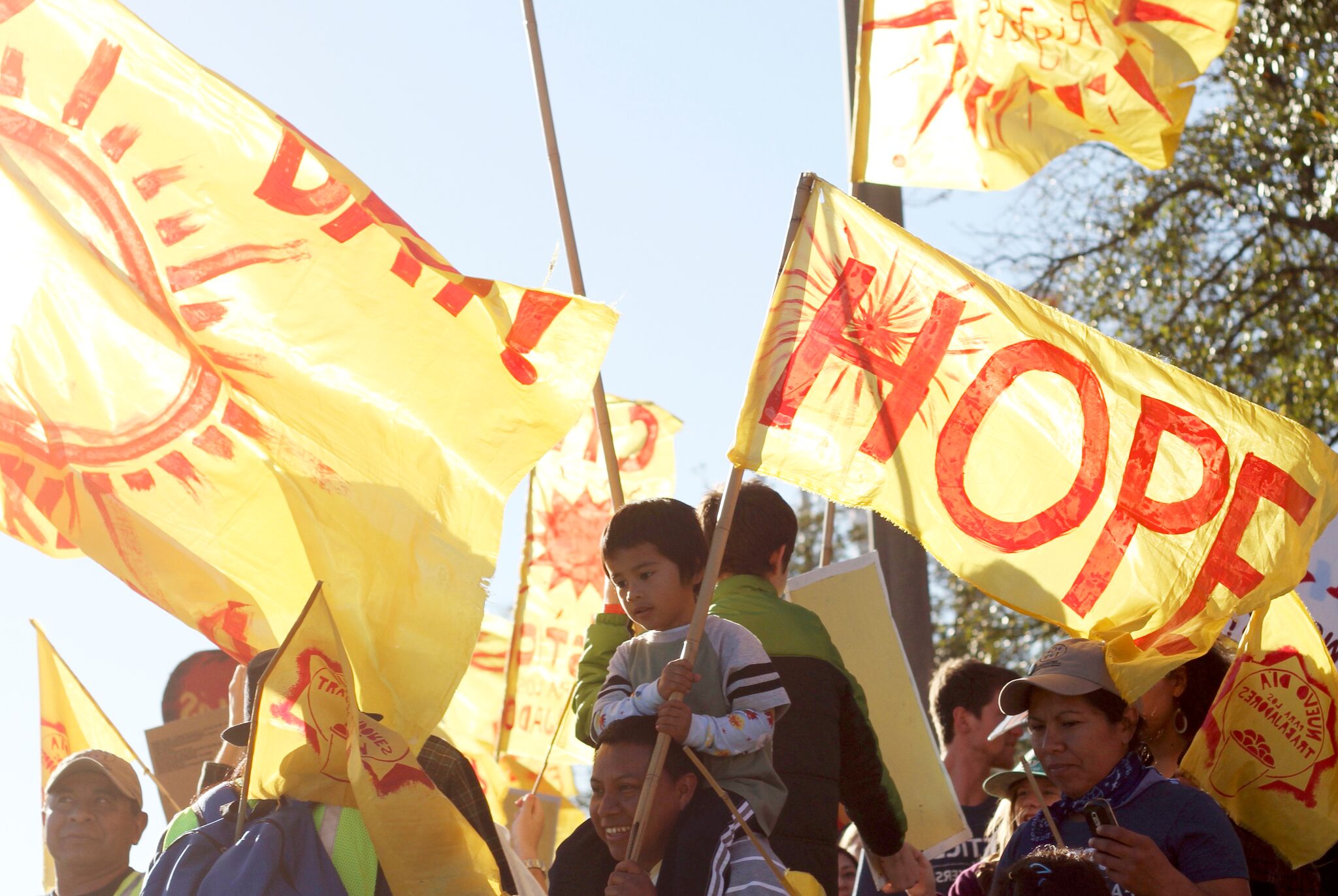
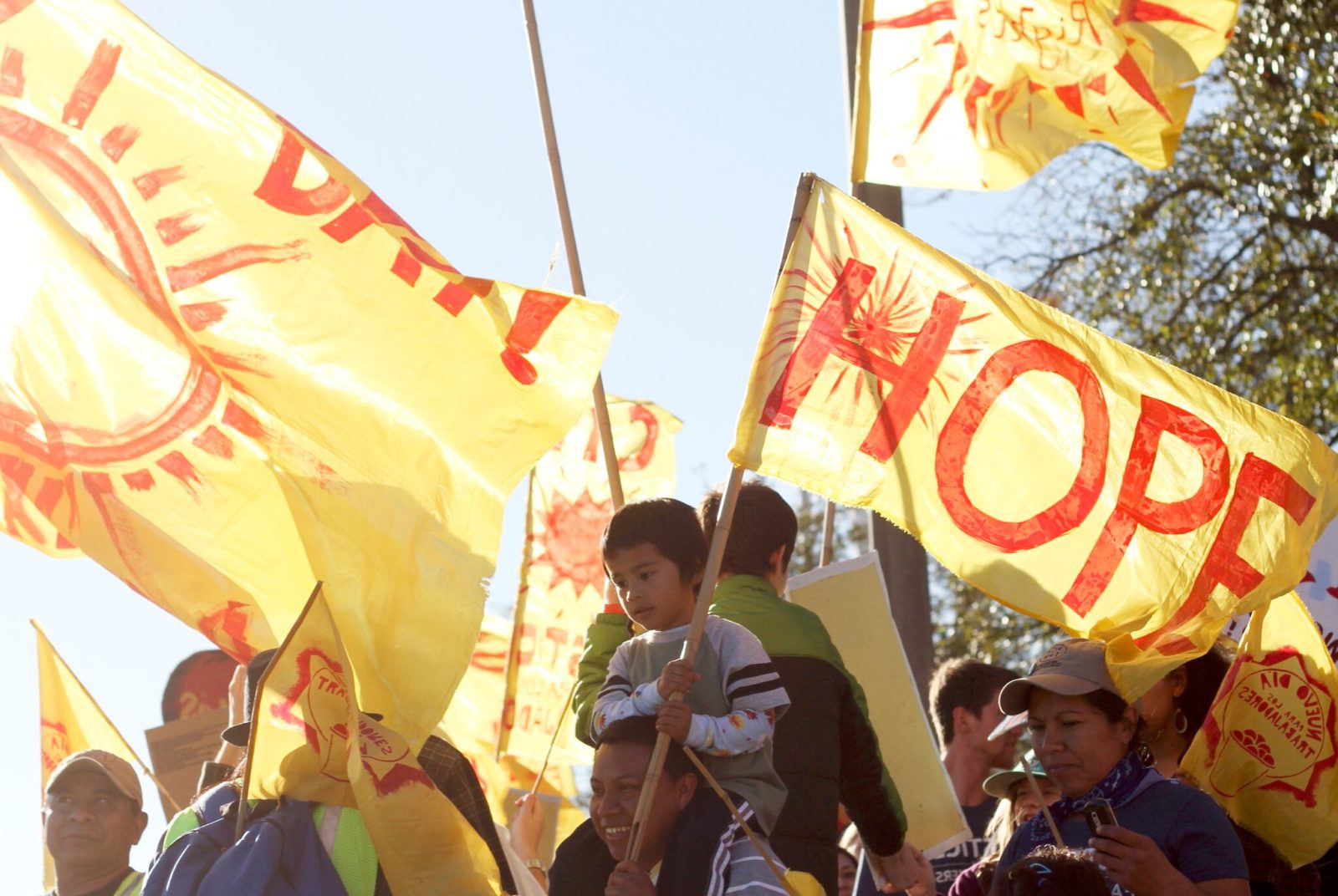
Partners for Dignity and Rights works with the worker center movement to build the power and participation of workers to enforce their right to work with dignity. So long as retaliation, intimidation, and discrimination are the standard way of doing business, low wage workers are stripped of any power to determine their conditions of work and, by extension, the conditions of their lives and that of their families.